The Art of Glass Packaging: Transforming Your Brand With Premium Glass Bottles
The craft of glass packaging presents brands with a unique avenue for differentiation. Through sustainable practices, glass bottles elevate brand aesthetics and connect with sustainability-minded shoppers. Their intrinsic properties, including recyclability and chemical safety, reflect a dedication to quality standards. As companies move through this changing environment, understanding the multifaceted benefits and challenges of glass packaging becomes essential for long-term success. What forward-thinking methods are companies adopting to fully harness these opportunities?
The Benefits of Choosing Glass Packaging for Your Brand
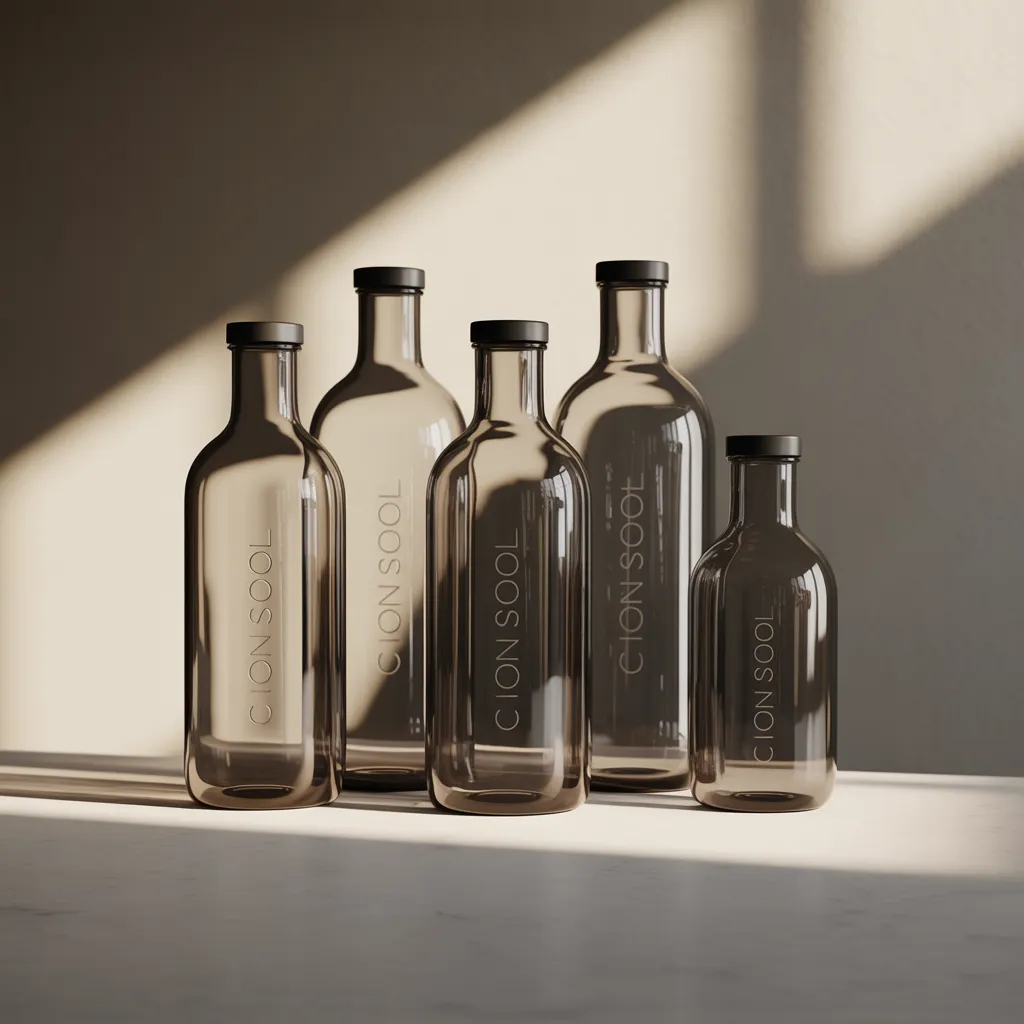
Choosing glass packaging can greatly enhance a brand's overall perception and eco-friendly commitments. Businesses that select glass demonstrate a pledge to superior standards and premium experiences, appealing to discerning consumers who value both visual and practical qualities. Glass delivers a timeless and elegant appearance, enhancing a brand's recognizable image while providing a sensory experience that no alternative material can equal.
Furthermore, glass containers project an image of freshness and protection, as it is absent of dangerous compounds frequently associated with plastic packaging. This selection can engage environmentally conscious consumers who link glass with environmentally sound decisions. Furthermore, its robust construction supports reuse, thereby strengthening a brand's commitment to eco-friendly practices.
In an industry growing more conscious of environmental impact, embracing glass packaging solutions can differentiate a brand cultivating loyalty and enhancing consumer trust. In the end, this strategic choice establishes brands as frontrunners in eco-conscious innovation and quality, aligning with contemporary consumer expectations.
The Environmental Advantages of Glass Bottles
Glass bottles present considerable sustainability benefits that set them apart from other packaging materials. They are fully recyclable, contributing to a sustainable economy where materials can be reused indefinitely without loss of quality. This property considerably decreases the need for virgin materials, thereby minimizing material extraction and energy usage connected to manufacturing.
In addition, glass packaging is non-reactive, meaning it does not release dangerous compounds into its stored materials, ensuring more secure consumption. As opposed to plastic, glass does not promote microplastic pollution, which is a rising environmental problem.
Glass bottle production also generates reduced greenhouse gas emissions when compared to plastic. As manufacturing processes have advanced, energy efficiency has significantly improved, thereby reducing the environmental impact associated with producing glass.
Unique Designs That Transform Glass Packaging
Unique aesthetics in glass containers are transforming how products are perceived. Unique shapes and structures not only improve usability but also capture buyer interest. Furthermore, eye-catching color palettes further elevate the aesthetic appeal, making glass packaging stand out on shelves.
Remarkable Shapes and Structures
Creative concepts in glass-based packaging not only enhance aesthetic appeal but also act as a key factor in setting brands apart. Unconventional forms and structures can craft remarkable experiences for buyers, making products stand out on crowded shelves. For instance, asymmetrical bottles or geometric designs can generate fascination and stimulate consumer interest. These unique configurations often reflect a brand's personality, solidifying its brand narrative and ideals. Moreover, original designs can boost practicality, such as more convenient gripping or optimized pouring. Brands that invest in creative glass designs project a strong focus on superior quality and green practices, engaging environmentally glass bottle manufacturers responsible shoppers. By championing innovation in their packaging strategies, businesses can build stronger bonds with their customers, in turn promoting long-term loyalty and broadening their market reach.
Eye-Catching Color Palettes
Dynamic color schemes serve a vital function in elevating glass packaging design, turning everyday bottles into striking visual declarations. Through the thoughtful application of carefully selected colors, brands can evoke emotions and create memorable experiences for consumers. Vivid hues can communicate exceptional value, whereas gentler shades can express refinement and elegance.
In addition, the incorporation of gradient and multi-tone aesthetics brings depth and sophistication, drawing attention on crowded shelves. Eco-conscious practices additionally boost the appeal; sustainable dyes and finishes appeal to environmentally aware consumers. At the core, the perfect color palette not only embodies a brand's character but also strengthens its dedication to sustainability, establishing glass packaging as an influential instrument for standing out in a competitive market.
In What Ways Does Glass Packaging Improve Product Perception?
Glass packaging notably improves the perception of products via its upscale feel and visual appeal, creating a sense of luxury for consumers. The inherent transparency and optical clarity of glass offer consumers an unrestricted look at the product, further reinforcing quality. Moreover, choosing glass complements sustainable brand positioning, attracting consumers who prioritize environmental responsibility.
Superior Feel And Appeal
The incorporation of glass packaging greatly elevates the recognized quality of a product, commonly connecting it with quality and sophistication. Consumers frequently associate glass with premium quality, contributing to stronger brand dedication and positive consumer experiences. The sensory quality of glass, with its sleek finish and substance, creates a premium feel that plastic cannot replicate. This tactile interaction establishes a bond between the product and the consumer, nurturing an impression of excellence. Moreover, glass packaging demonstrates a dedication to sustainability, appealing to eco-aware consumers. Consequently, businesses employing glass containers can establish themselves as premium options within their markets, attracting discerning customers who prioritize both visual appeal and responsible practices in their purchasing decisions.
Clear Visual Transparency And Precision
When shoppers come across products in glass packaging, their experience is commonly improved by the natural visual openness and clearness it offers. This openness enables prospective customers to view the contents within, creating an atmosphere of reliability and credibility. The clarity of glass not only showcases the product's quality but also highlights its color and texture, boosting aesthetic attractiveness. Moreover, the removal of labeling interference on clear glass enables the product to stand at the forefront, generating a more immersive purchasing journey. Glass packaging can elevate brand perception by conveying a commitment to quality and craftsmanship. This transparency ultimately shapes buyer choices, encouraging a deeper emotional connection with the product and the brand.
Sustainable Brand Positioning
Environmentally aware brands leverage glass containers to reinforce their commitment to sustainability, successfully elevating how products are perceived. Glass projects an image of quality and authenticity, setting a higher standard compared to plastic alternatives. This substance not only underscores the green values of a brand but also attracts buyers who place importance on sustainable options. The sensory quality of glass—its density and surface—further amplifies the perceived premium nature of the product. Additionally, the recyclability of glass aligns with the growing consumer demand for sustainable practices, fostering brand loyalty. By choosing glass, brands not only showcase their dedication to the environment but also position their products as premium offerings, thereby cultivating a positive image in a competitive marketplace.
How Brands Are Winning With Glass Packaging
A growing number of businesses are flourishing by embracing glass packaging, highlighting its attractiveness to buyers and pledge to sustainable practices. As an example, a leading beverage company shifted to glass bottles, leading to a 30% rise in sales within a year. The switch not only boosted product visibility on shelves but also appealed to eco-conscious consumers, solidifying the brand's sustainability message.
One other cosmetic company successfully changed to glass containers, significantly enhancing its luxury brand perception. This change brought in a loyal customer base that prioritizes both visual appeal and eco-conscious practices. Furthermore, a specialty beer manufacturer incorporated refillable glass growlers, building brand loyalty while minimizing waste. These real-world cases show that glass solutions not only satisfy market needs for environmentally responsible choices but also strengthens brand recognition and competitive standing. Such strategic choices reflect a growing trend among businesses striving to incorporate green principles into their strategies while resonating with contemporary buyers.
How to Address Challenges in Glass Packaging
Navigating the complexities of glass packaging demands creative approaches and a thorough understanding of the market. Companies often face challenges such as high production costs, weight concerns, and breakability. To overcome these, organizations can implement advanced manufacturing techniques that reduce waste and improve product strength. Partnering with suppliers to obtain sustainable resources also reduces environmental impact while resonating with sustainability-minded consumers.
Another challenge involves transportation logistics, due to the heavy nature of glass. Adopting intelligent logistics strategies, including optimized shipping methods and packaging designs, can reduce expenses and ensure product protection while in transit. Moreover, raising consumer awareness regarding glass's superiority over plastic may cultivate customer loyalty and boost market demand. By implementing these methods, businesses can overcome obstacles in glass packaging and distinguish themselves as innovators in eco-friendly practices, thereby strengthening their brand reputation and market standing.
Upcoming Trends in Sustainable Glass Packaging
As the need for eco-friendly packaging keeps growing, the glass packaging industry is poised for transformative changes. Advancements in production methods are anticipated to improve energy performance, lowering the environmental impact linked to glass manufacturing. Moreover, the adoption of lightweight glass bottles will emerge as a key trend, decreasing transportation emissions while maintaining product integrity.
Recycling initiatives will become more robust, with increased collaboration between producers and local governments to improve glass collection and processing. Additionally, the embedding of advanced technology in packaging solutions will facilitate improved clarity throughout the supply chain, enabling brands to showcase their sustainability efforts effectively.
The rising consumer appetite for environmentally conscious products will continue to fuel the growth of personalized, attractive design solutions, marrying functionality with visual appeal. As companies increasingly embrace sustainable practices, the glass packaging market is prepared to reshape its direction, harmonizing with global sustainability targets while fulfilling the needs of an eco-conscious audience.
Questions We Often Receive
How Do the Costs of Glass Packaging Compare to Those of Plastic?
Glass packaging commonly involves higher costs owing to manufacturing, shipping, and recycling requirements when compared to plastic alternatives. Nevertheless, it offers eco-friendly benefits and stronger brand positioning, which can justify the investment for some businesses.
How Can I Customize Glass Bottles for My Brand?
Businesses are able to personalize glass containers with distinctive shapes, hues, and textures. Printed designs, engravings, and labels strengthen brand recognition. Collaborating with manufacturers guarantees alignment with eco-friendly initiatives while maintaining visual appeal and practicality.
Are There Specific Regulations for Glass Packaging?
Yes, specific regulations for glass packaging exist, differing across regions. Such regulations encompass safety standards, labeling requirements, and recycling guidelines, guaranteeing consumer safety and environmental responsibility while advancing sustainable practices in packaging manufacturing and distribution.
What Are the Top Best Practices for Recycling Glass Bottles?
For effective glass bottle recycling, residents should wash them thoroughly to clear out any remaining contents, detach any lids or caps, and organize them according to color. In addition, they should consult local recycling guidelines for proper protocols and collection points to make certain they are processed appropriately.
What Is the Effect of Glass Packaging on Shipping and Logistics?
Glass packaging significantly impacts shipping and logistics by increasing weight and fragility, demanding meticulous handling and dedicated transportation methods. This can lead to higher costs and more complex supply chain management relative to lighter and sturdier material alternatives.